History
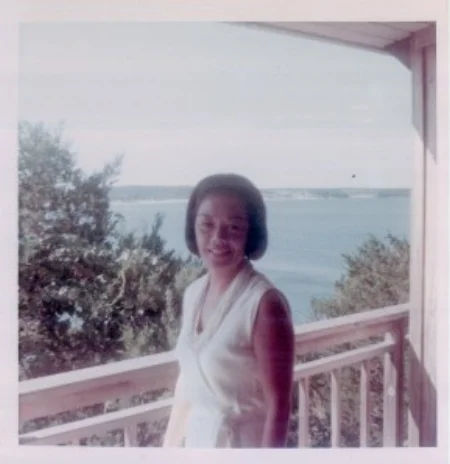
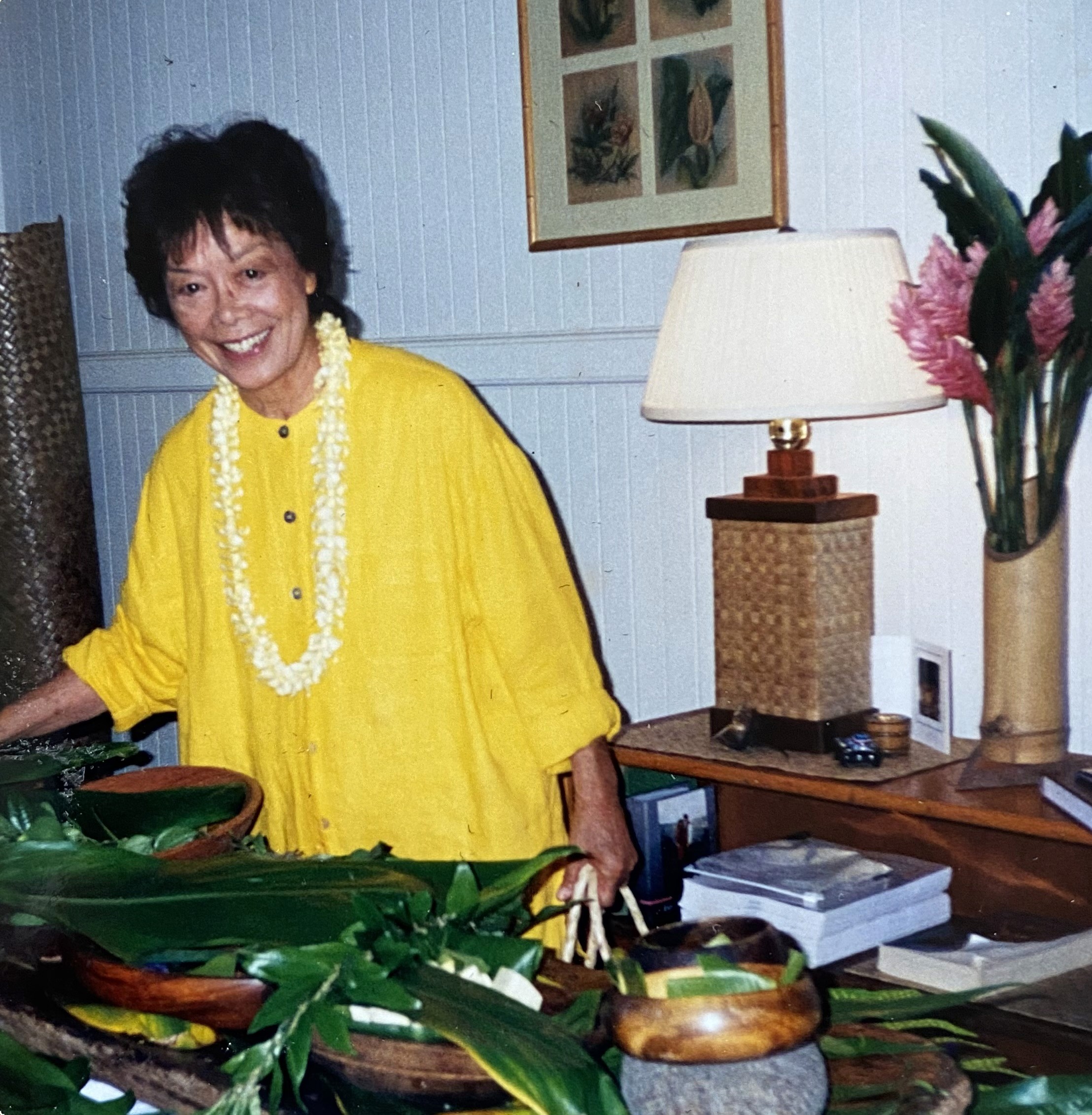
Pu‘uhonua Society traces its history back to 1972, when Emma Aluli Meyer originally founded the organization as the Young of Heart Workshop.

In a correspondence dated January 18, 1971 and addressed to Mr. [Alfred] Preis (an Austrian-born American architect and the founding Executive Director of the Hawaiʻi State Foundation on Culture and the Arts), Emma Aluli Meyer shared her vision for a not-for-profit association and art center for the “young of heart” in Kailua on the Windward side of the island of Oʻahu. She concludes her letter by clearly stating her purpose, “to preserve the gift of an individual talent in the arts and crafts and for the continuation of a heritage that is noble, and to educate the public to select and cherish a work of art.”
In a correspondence dated January 18, 1971 and addressed to Mr. [Alfred] Preis (an Austrian-born American architect and the founding Executive Director of the Hawaiʻi State Foundation on Culture and the Arts), Emma Aluli Meyer shared her vision for a not-for-profit association and art center for the “young of heart” in Kailua on the Windward side of the island of Oʻahu. She concludes her letter by clearly stating her purpose, “to preserve the gift of an individual talent in the arts and crafts and for the continuation of a heritage that is noble, and to educate the public to select and cherish a work of art.”
In a correspondence dated January 18, 1971 and addressed to Mr. [Alfred] Preis (an Austrian-born American architect and the founding Executive Director of the Hawaiʻi State Foundation on Culture and the Arts), Emma Aluli Meyer shared her vision for a not-for-profit association and art center for the “young of heart” in Kailua on the Windward side of the island of Oʻahu. She concludes her letter by clearly stating her purpose, “to preserve the gift of an individual talent in the arts and crafts and for the continuation of a heritage that is noble, and to educate the public to select and cherish a work of art.”

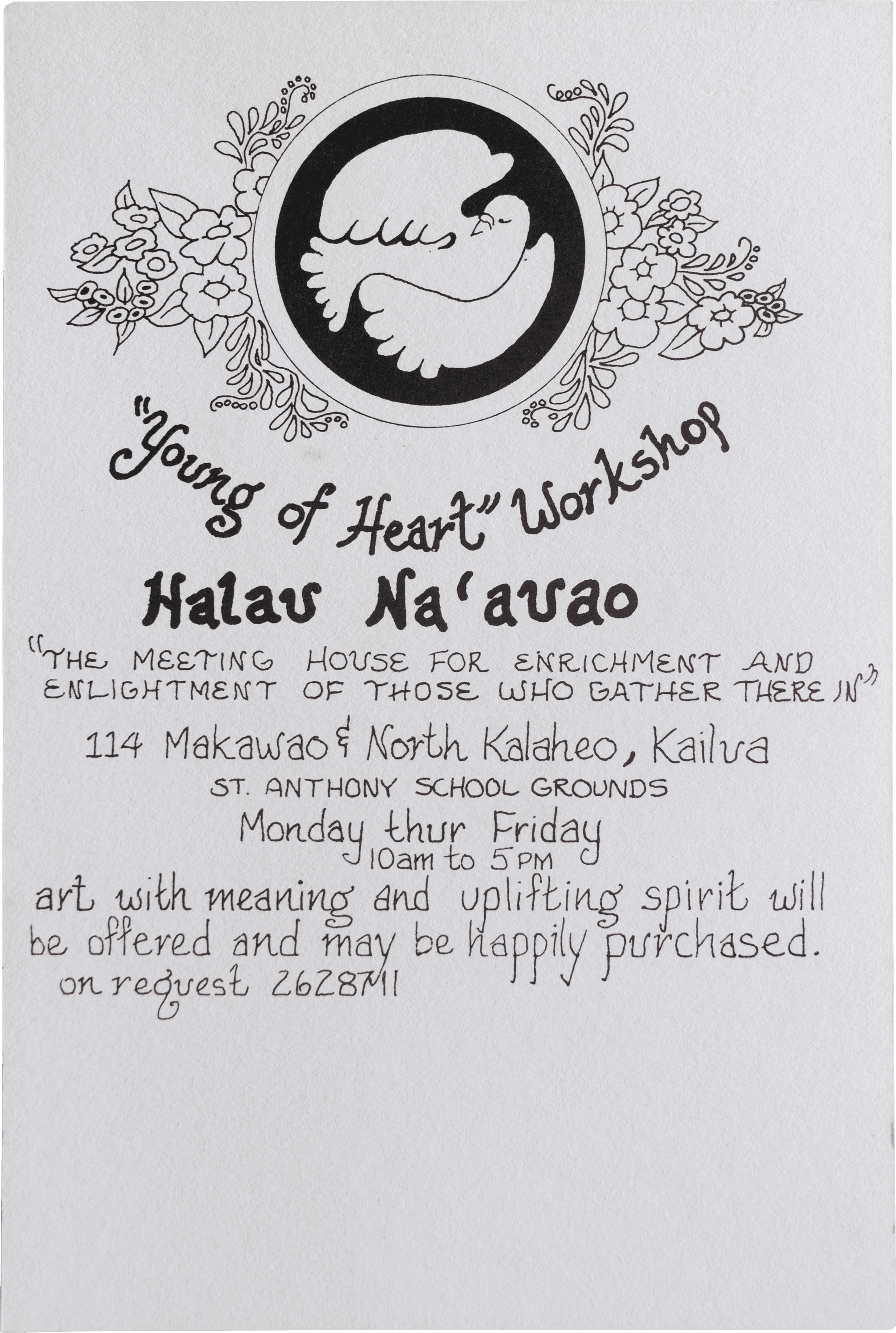
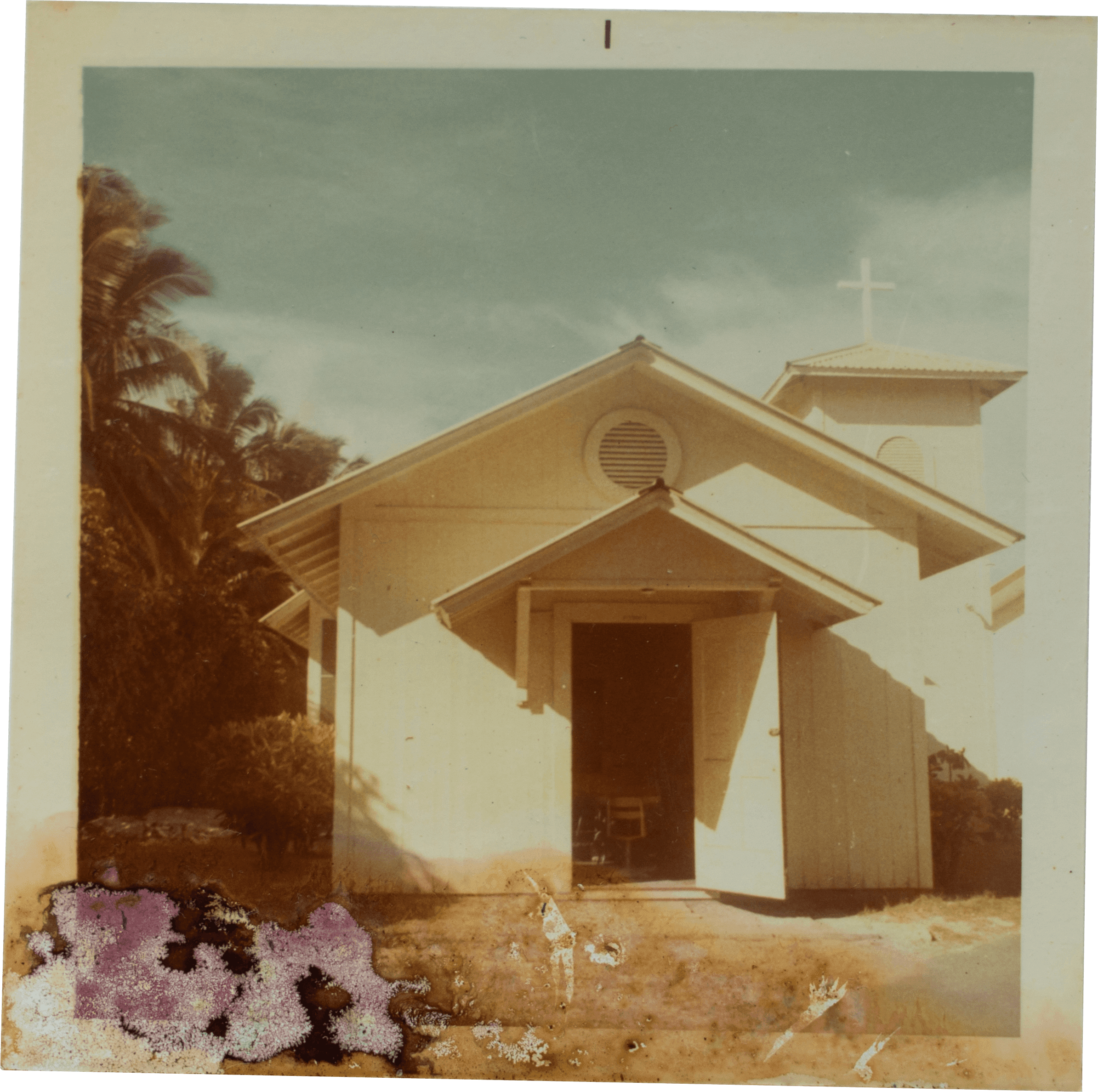
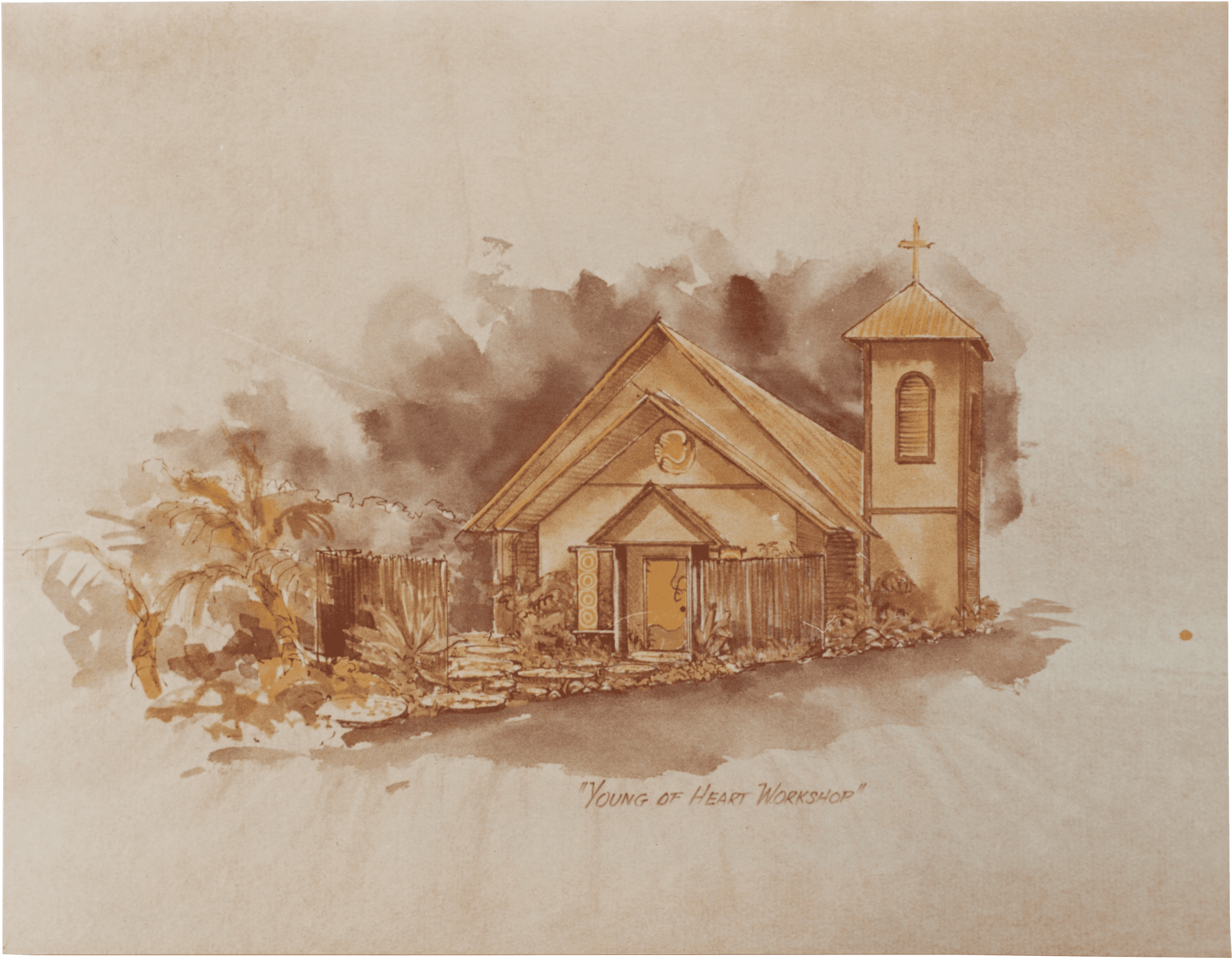
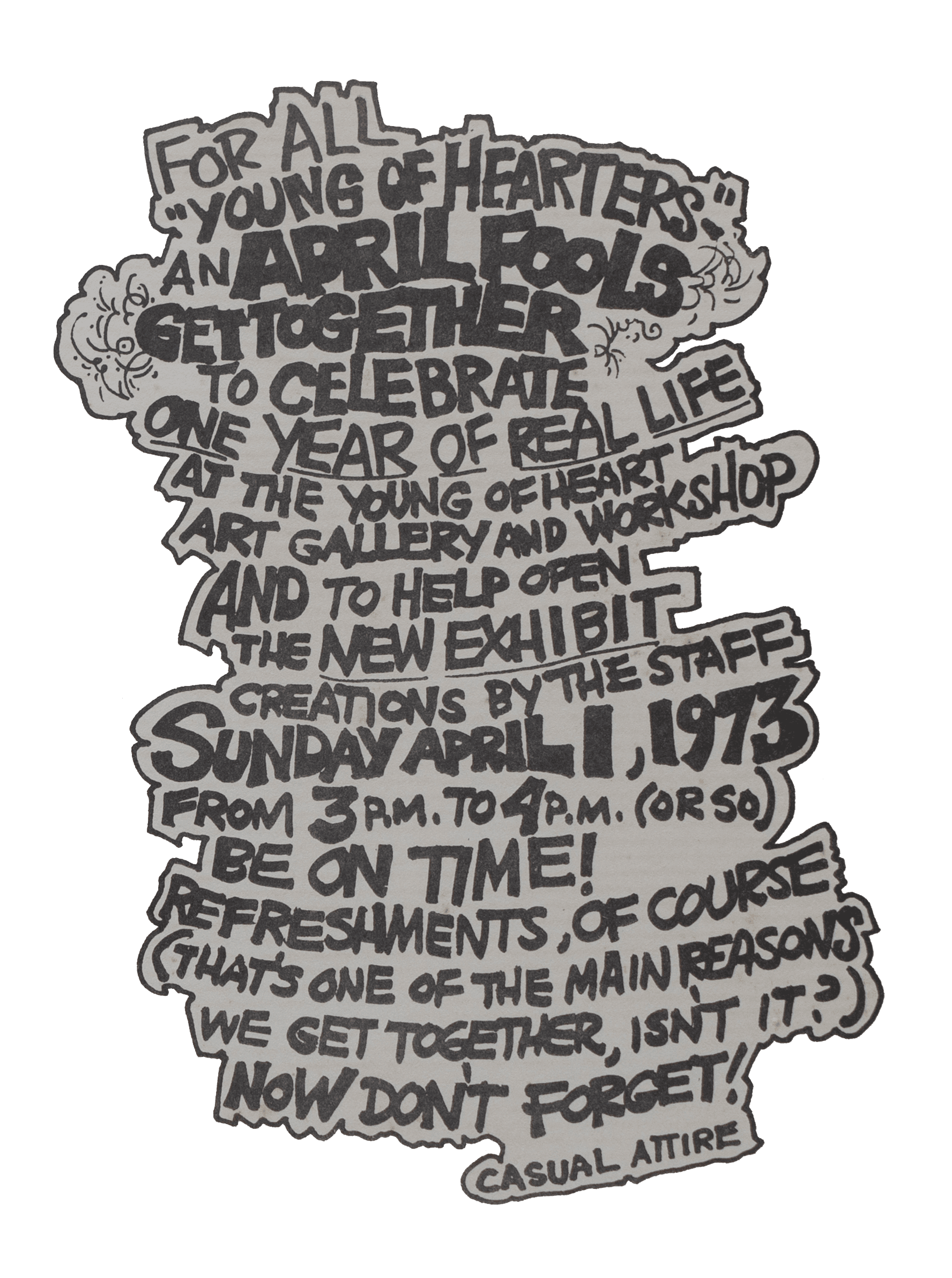
A little over a year later, on April 3, 1972, Emma actualized her vision as the Young of Heart Workshop & Gallery. Its inoa Hawaiʻi, Hawaiian name, was Halau Naʻauao or “the meeting house for enrichment and enlightenment of those who gather there in.” A devout Catholic, Emma worked to convert the first church on the property of St. Anthony of Padua Catholic Church on the corner of North Kalāheo Avenue and Makawao Street, into a not-for-profit community kitchen, workshop, makerspace, and art gallery.
A little over a year later, on April 3, 1972, Emma actualized her vision as the Young of Heart Workshop & Gallery. Its inoa Hawaiʻi, Hawaiian name, was Halau Naʻauao or “the meeting house for enrichment and enlightenment of those who gather there in.” A devout Catholic, Emma worked to convert the first church on the property of St. Anthony of Padua Catholic Church on the corner of North Kalāheo Avenue and Makawao Street, into a not-for-profit community kitchen, workshop, makerspace, and art gallery.
A little over a year later, on April 3, 1972, Emma actualized her vision as the Young of Heart Workshop & Gallery. Its inoa Hawaiʻi, Hawaiian name, was Halau Naʻauao or “the meeting house for enrichment and enlightenment of those who gather there in.” A devout Catholic, Emma worked to convert the first church on the property of St. Anthony of Padua Catholic Church on the corner of North Kalāheo Avenue and Makawao Street, into a not-for-profit community kitchen, workshop, makerspace, and art gallery.
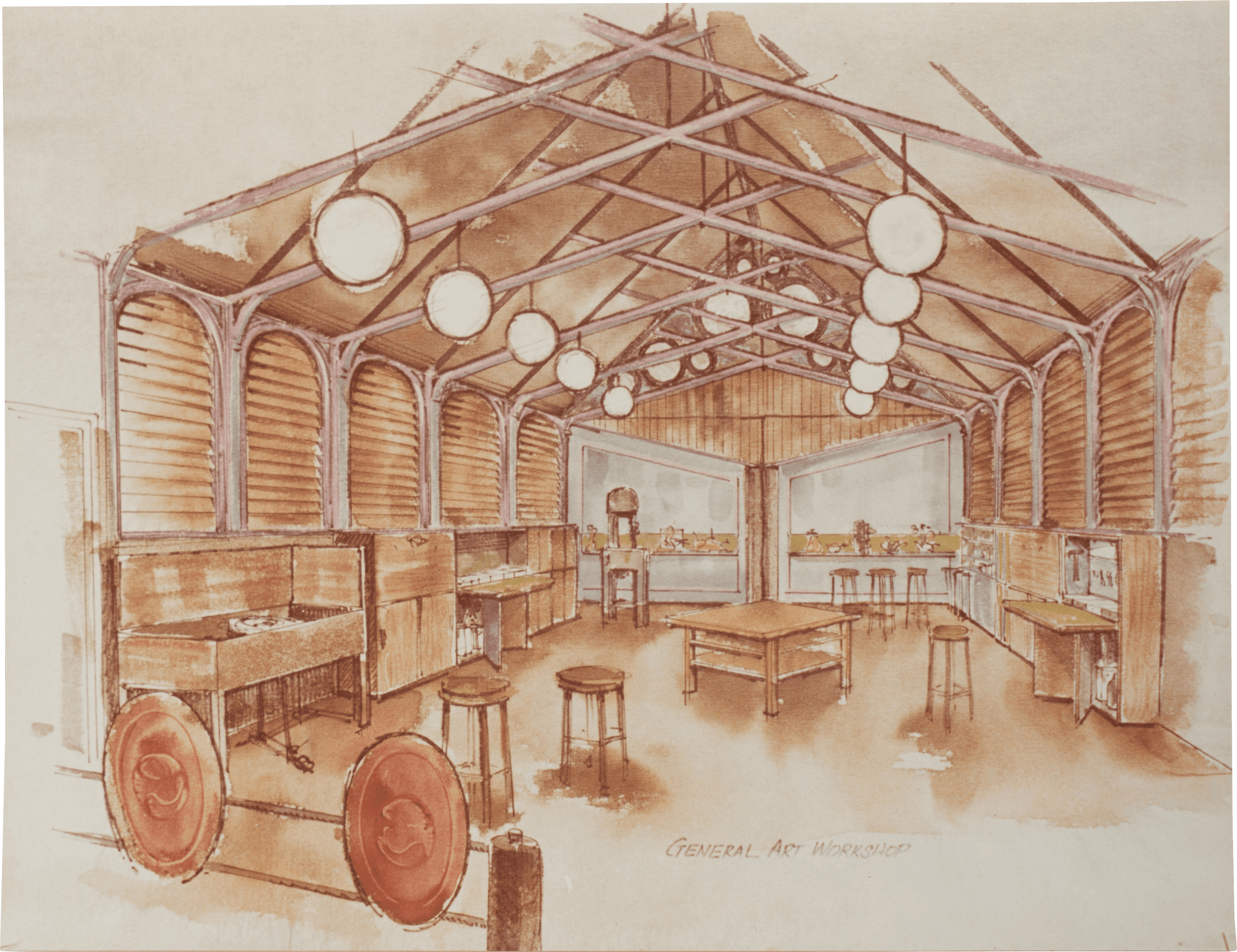
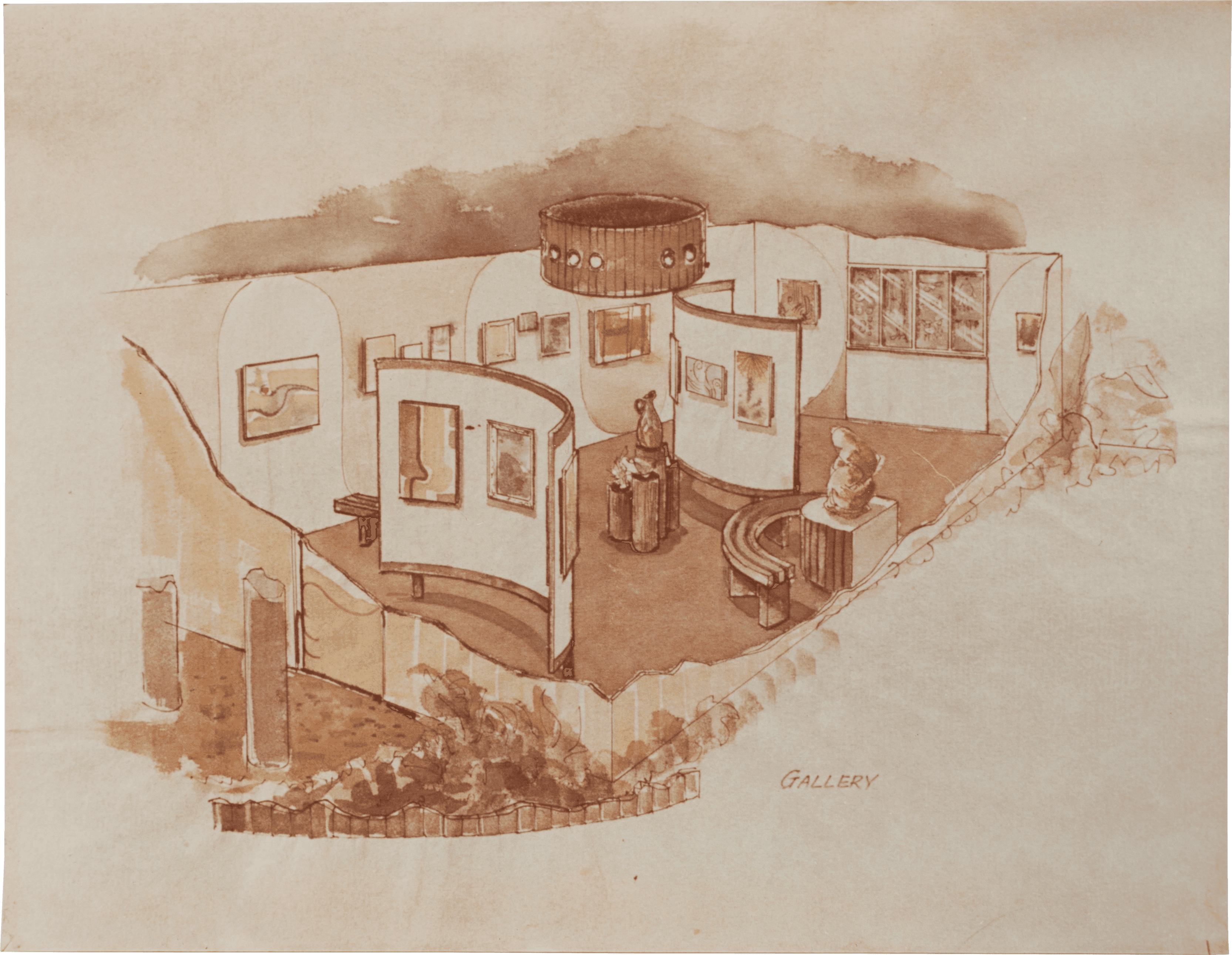
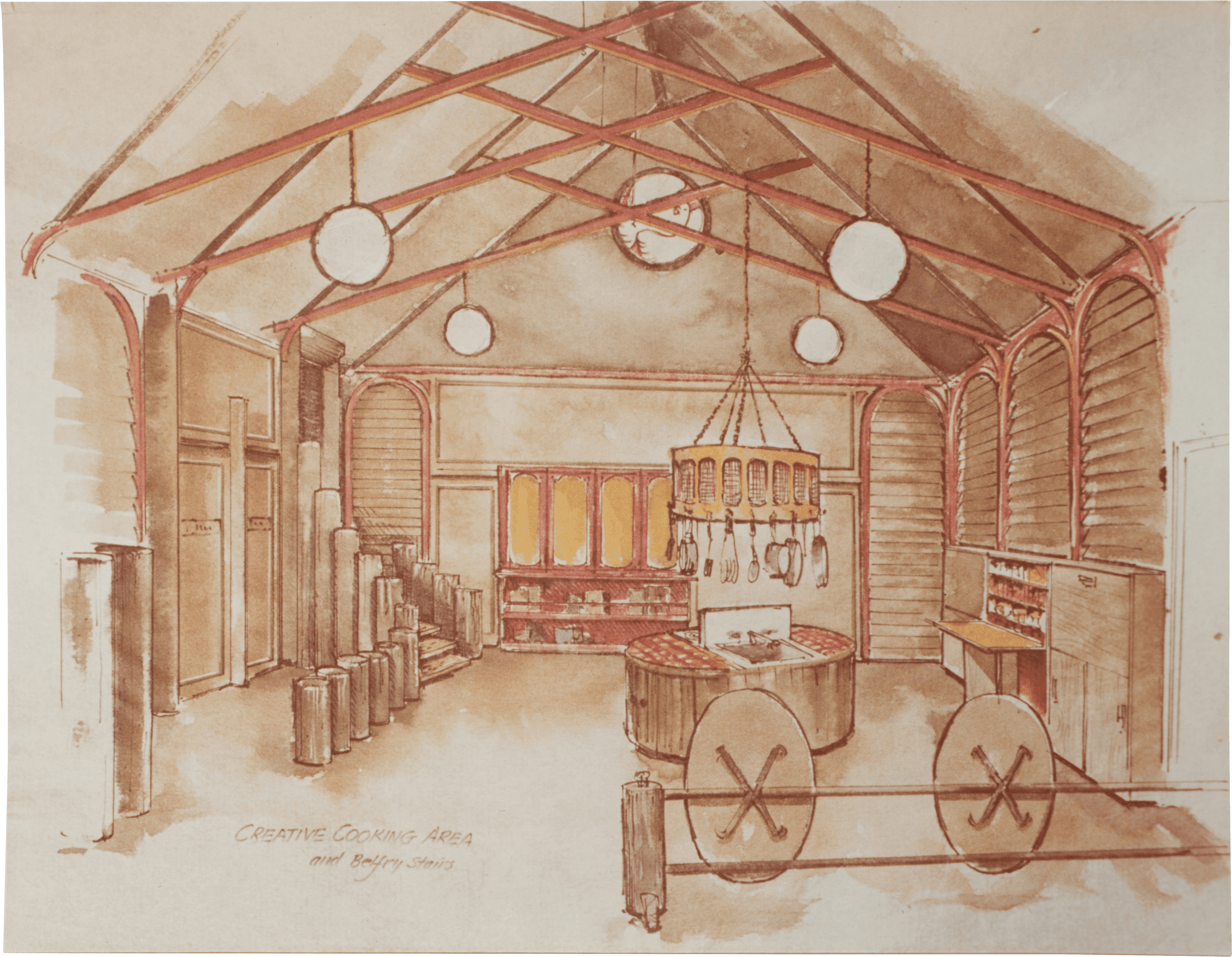
A note she wrote to potential funders accompanying early watercolor renderings of the proposed venue reads: “You will receive a total 100% interest on your money for the interest a young life will repay you by learning, listening and living better for the privilege!”
A note she wrote to potential funders accompanying early watercolor renderings of the proposed venue reads: “You will receive a total 100% interest on your money for the interest a young life will repay you by learning, listening and living better for the privilege!”
In a newsletter sent to Workshop & Gallery volunteers in early summer of 1974 Emma writes: “Aloha! What a ‘wow’ year we’ve had at our Young of Heart. There is a saying, ‘Many efforts joined together can create new greatness.’ You’ve proven it. This is how we feel on your many loving efforts as volunteers, as beautiful individuals, as a family with heart.”
In a newsletter sent to Workshop & Gallery volunteers in early summer of 1974 Emma writes: “Aloha! What a ‘wow’ year we’ve had at our Young of Heart. There is a saying, ‘Many efforts joined together can create new greatness.’ You’ve proven it. This is how we feel on your many loving efforts as volunteers, as beautiful individuals, as a family with heart.”
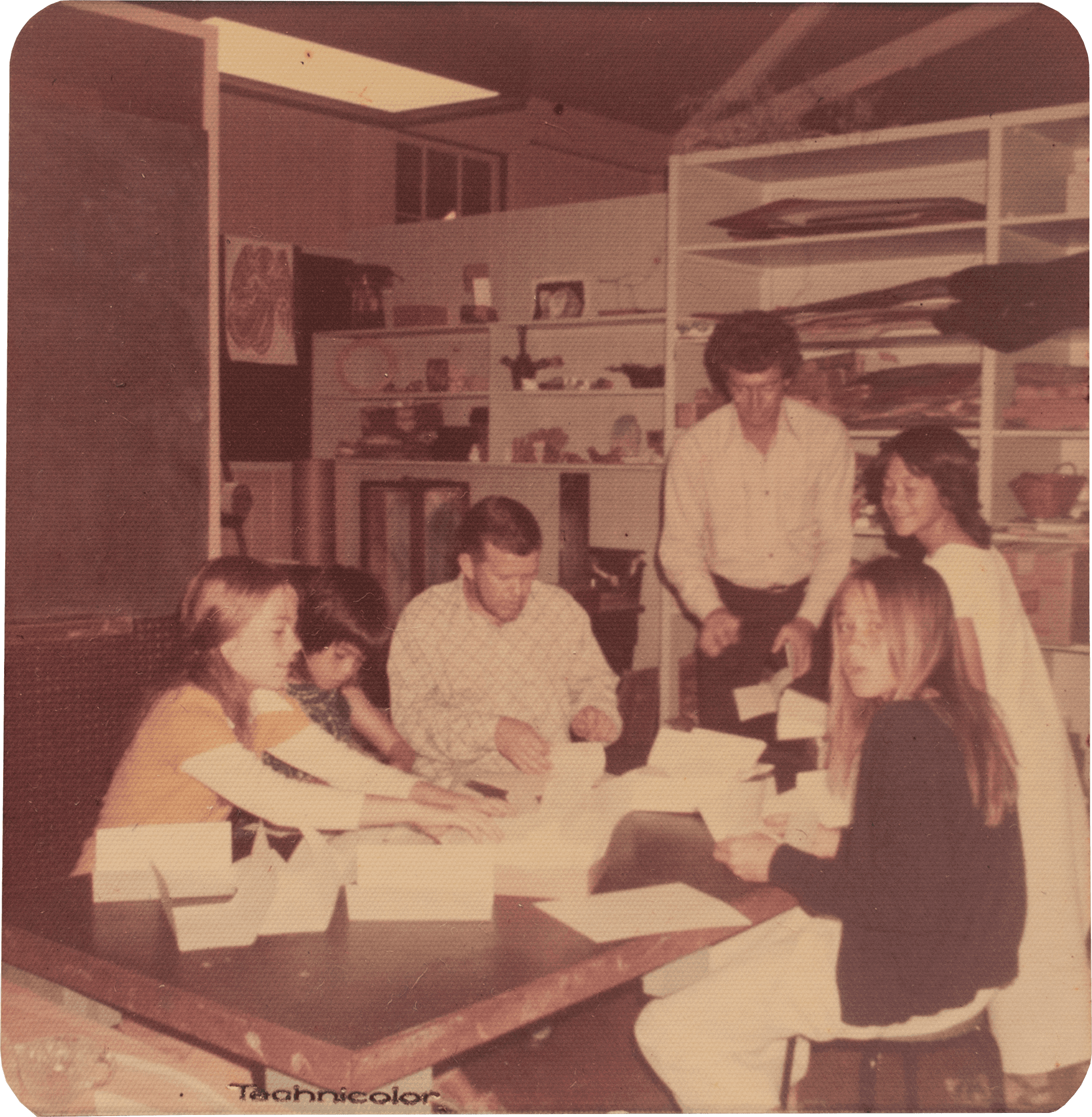
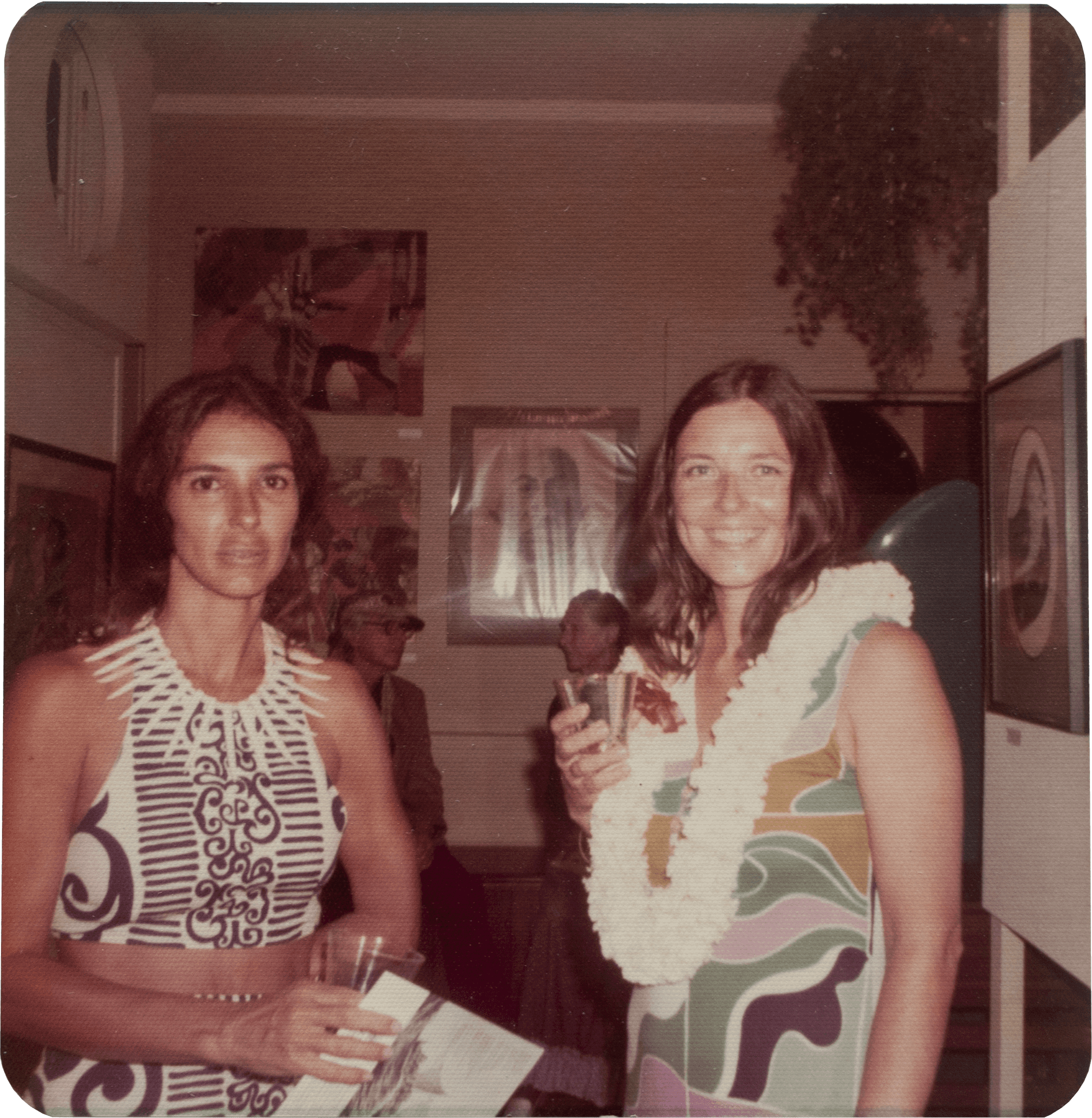
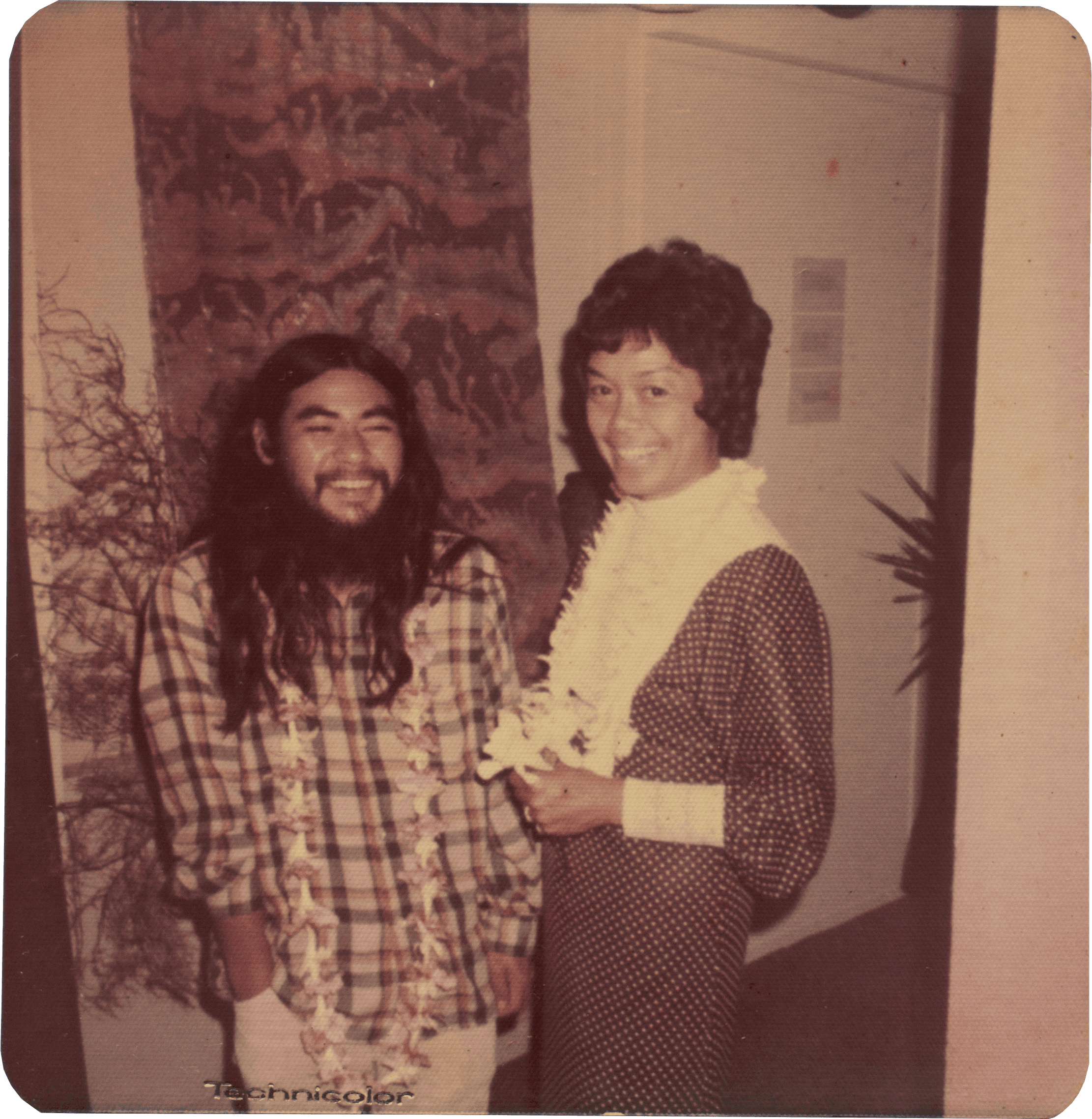
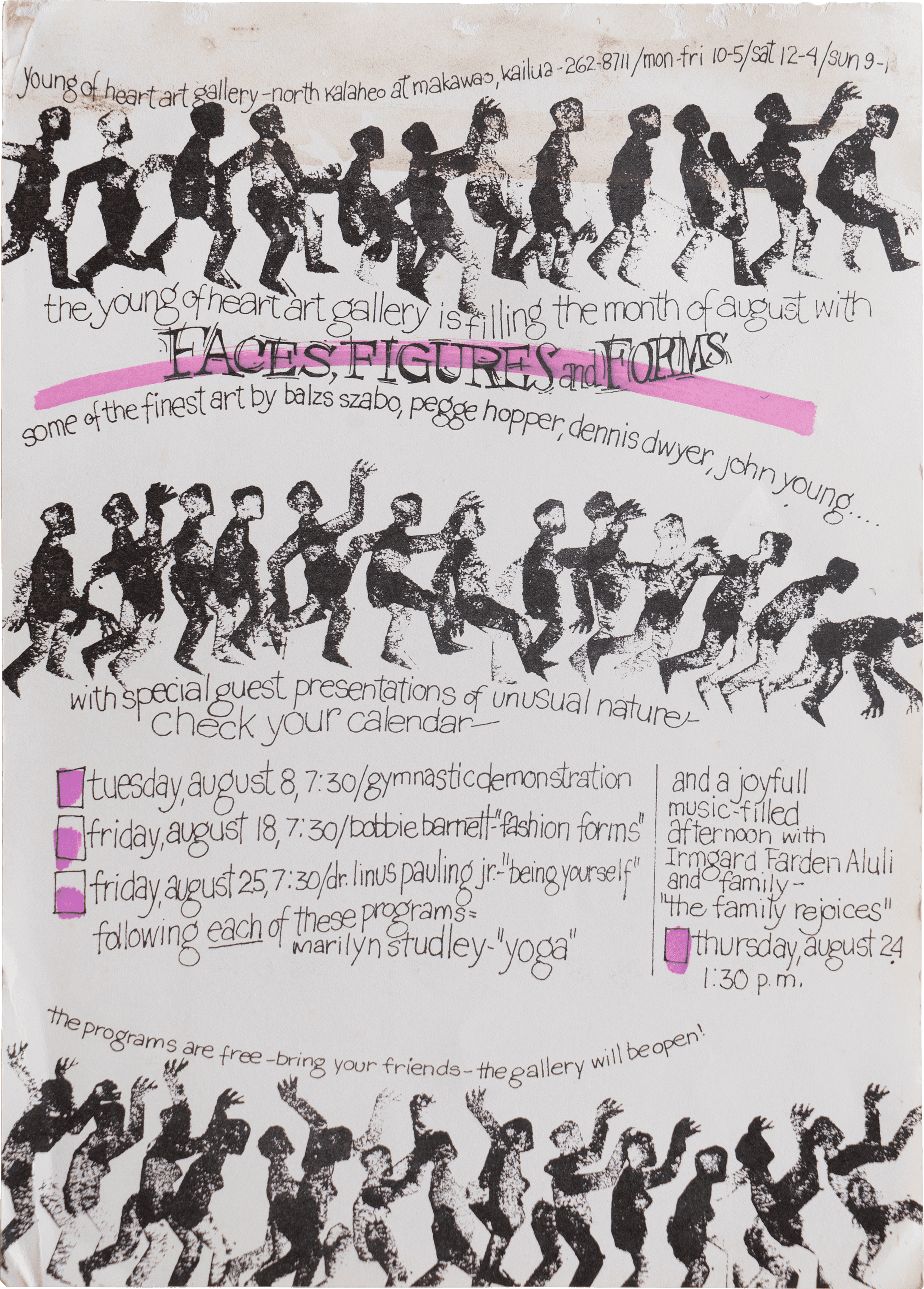
That same summer Young of Heart held a fundraiser exhibition for the Polynesian Voyaging Society, a not-for-profit organization founded the previous year and dedicated to perpetuating the art and science of traditional Polynesian voyaging and the spirit of exploration.
That same summer Young of Heart held a fundraiser exhibition for the Polynesian Voyaging Society, a not-for-profit organization founded the previous year and dedicated to perpetuating the art and science of traditional Polynesian voyaging and the spirit of exploration.
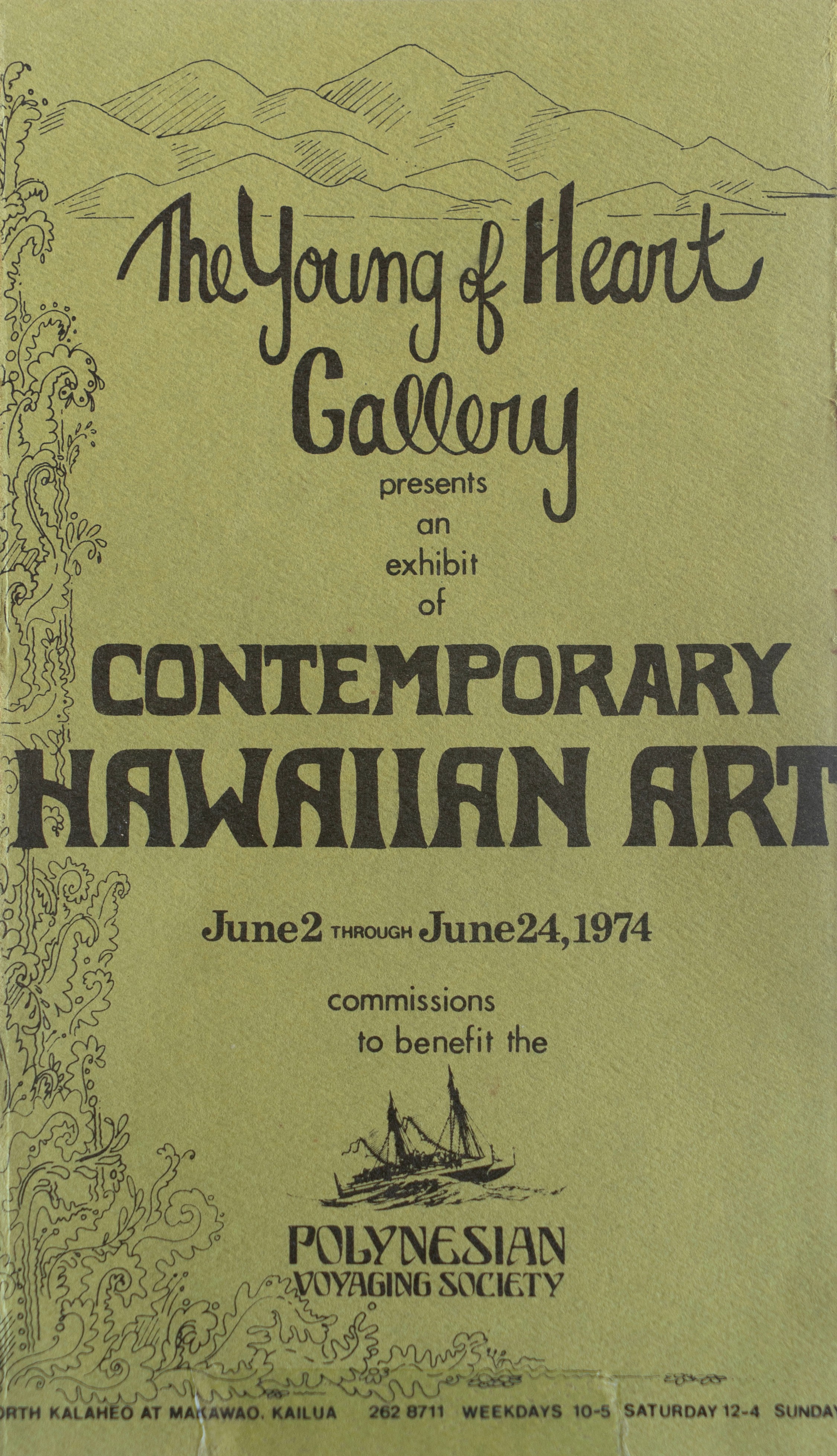
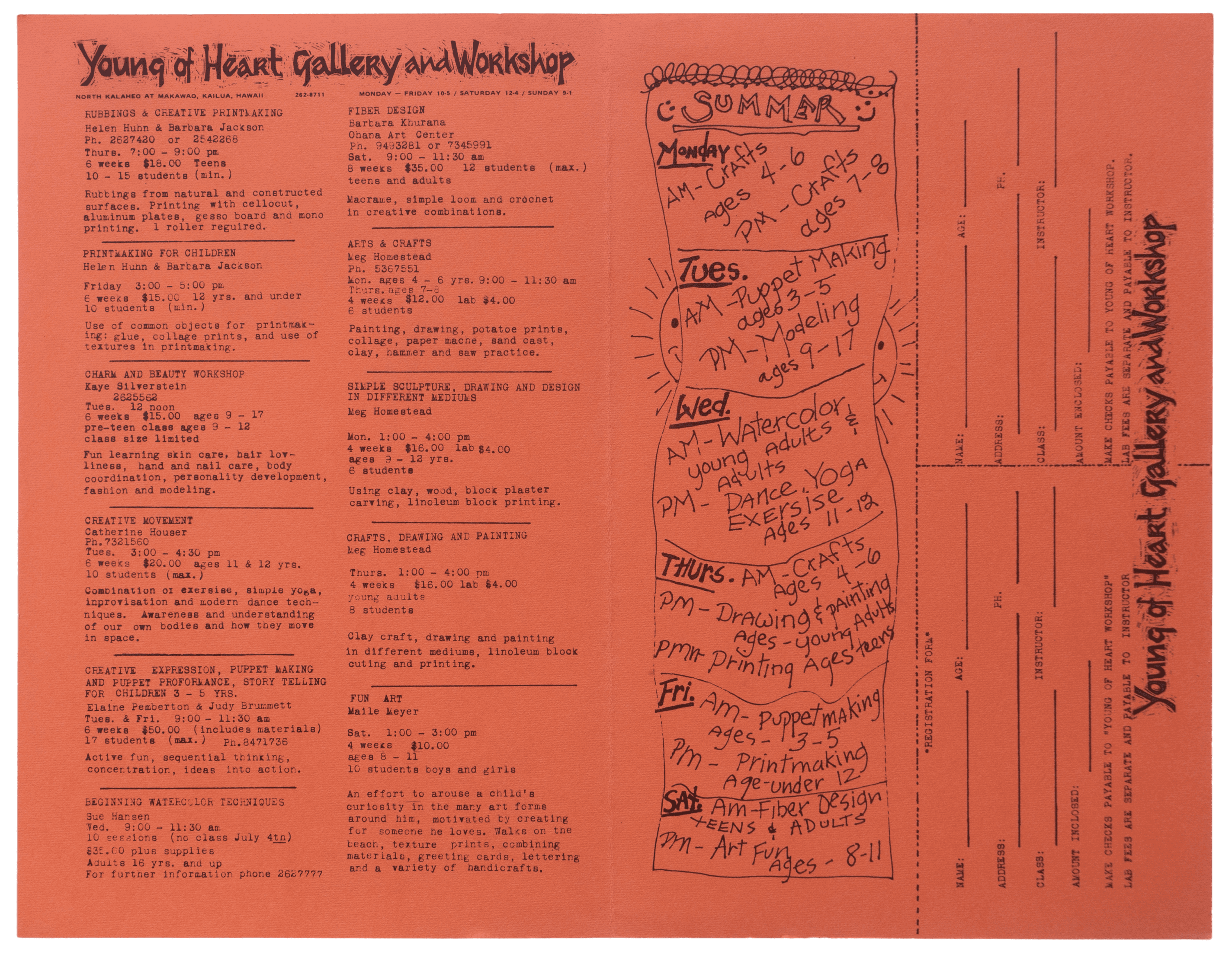
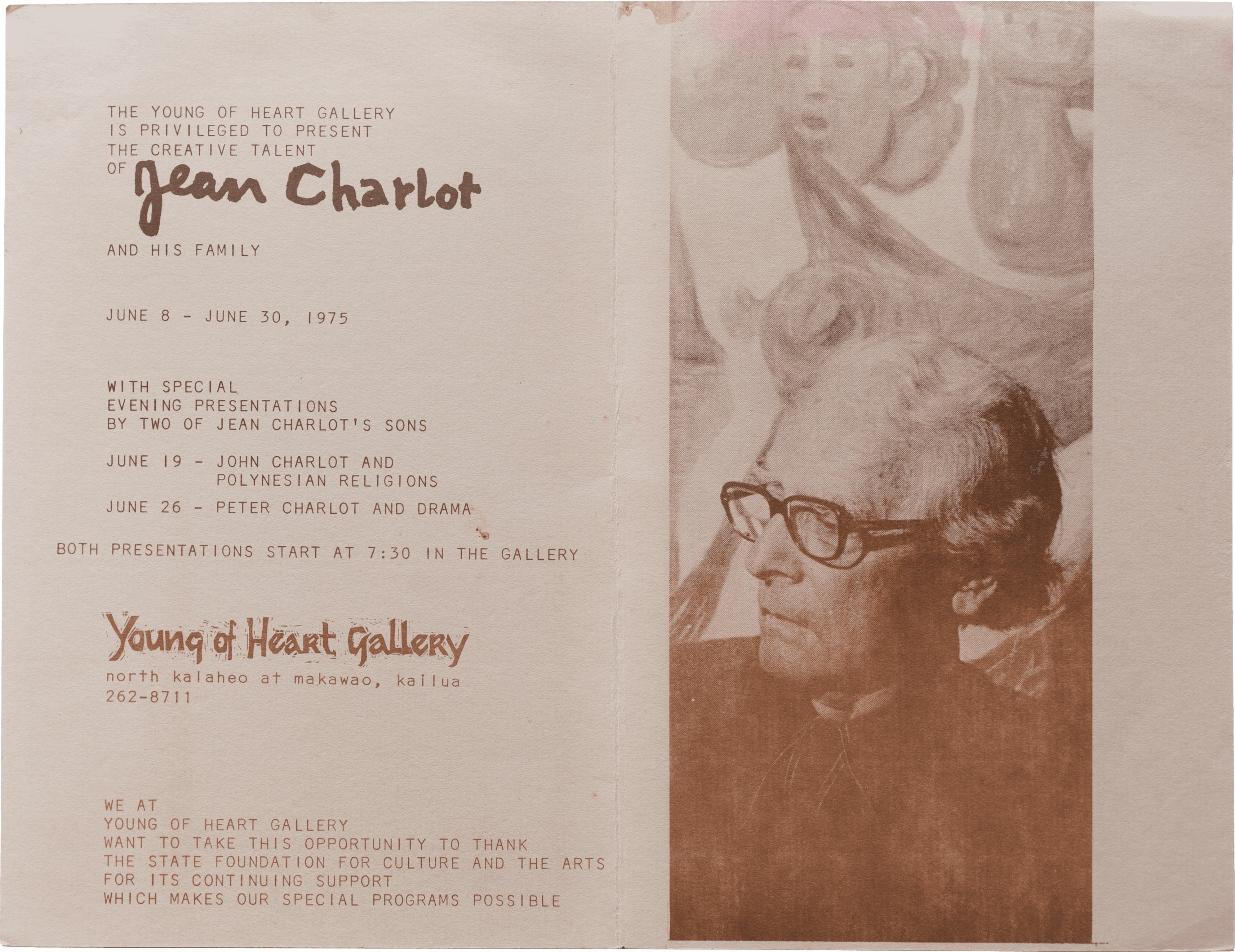
Articles published in Honolulu newspapers from the 1970s mention classes offered at the Workshop & Gallery in the following: oil painting, pottery, basic drawing and composition, acrylic painting, jewelry, creative cooking, creative theatre, creative drama and acting, inventive jewelry, puppet making and performance, creative expression for children, arts and crafts for children, and kite making. In addition, Young of Heart also presented solo, two-person and group exhibitions and hosted concerts, performances, poetry readings, and public programs open to all in a repurposed sacred space.
Articles published in Honolulu newspapers from the 1970s mention classes offered at the Workshop & Gallery in the following: oil painting, pottery, basic drawing and composition, acrylic painting, jewelry, creative cooking, creative theatre, creative drama and acting, inventive jewelry, puppet making and performance, creative expression for children, arts and crafts for children, and kite making. In addition, Young of Heart also presented solo, two-person and group exhibitions and hosted concerts, performances, poetry readings, and public programs open to all in a repurposed sacred space.
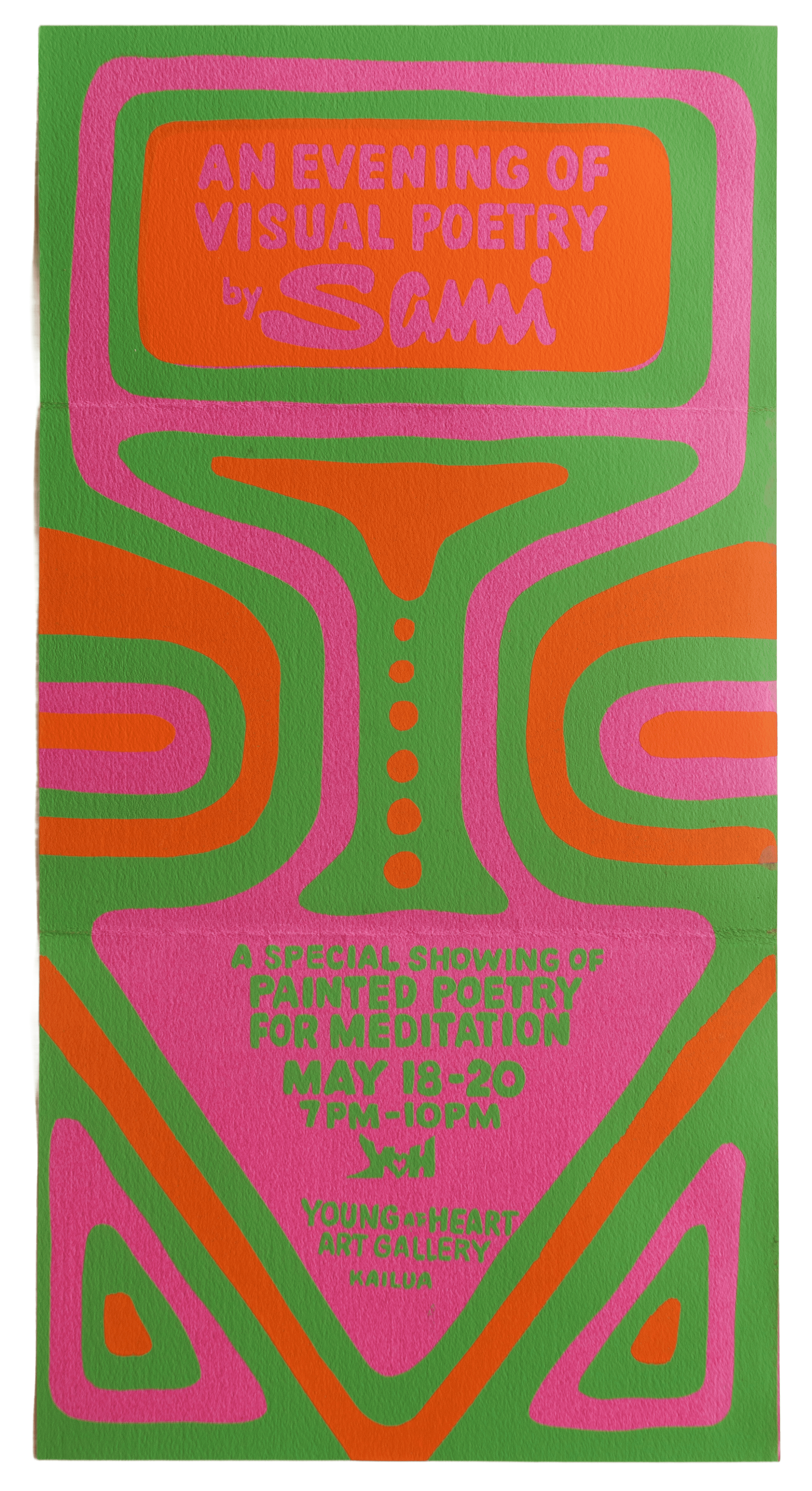
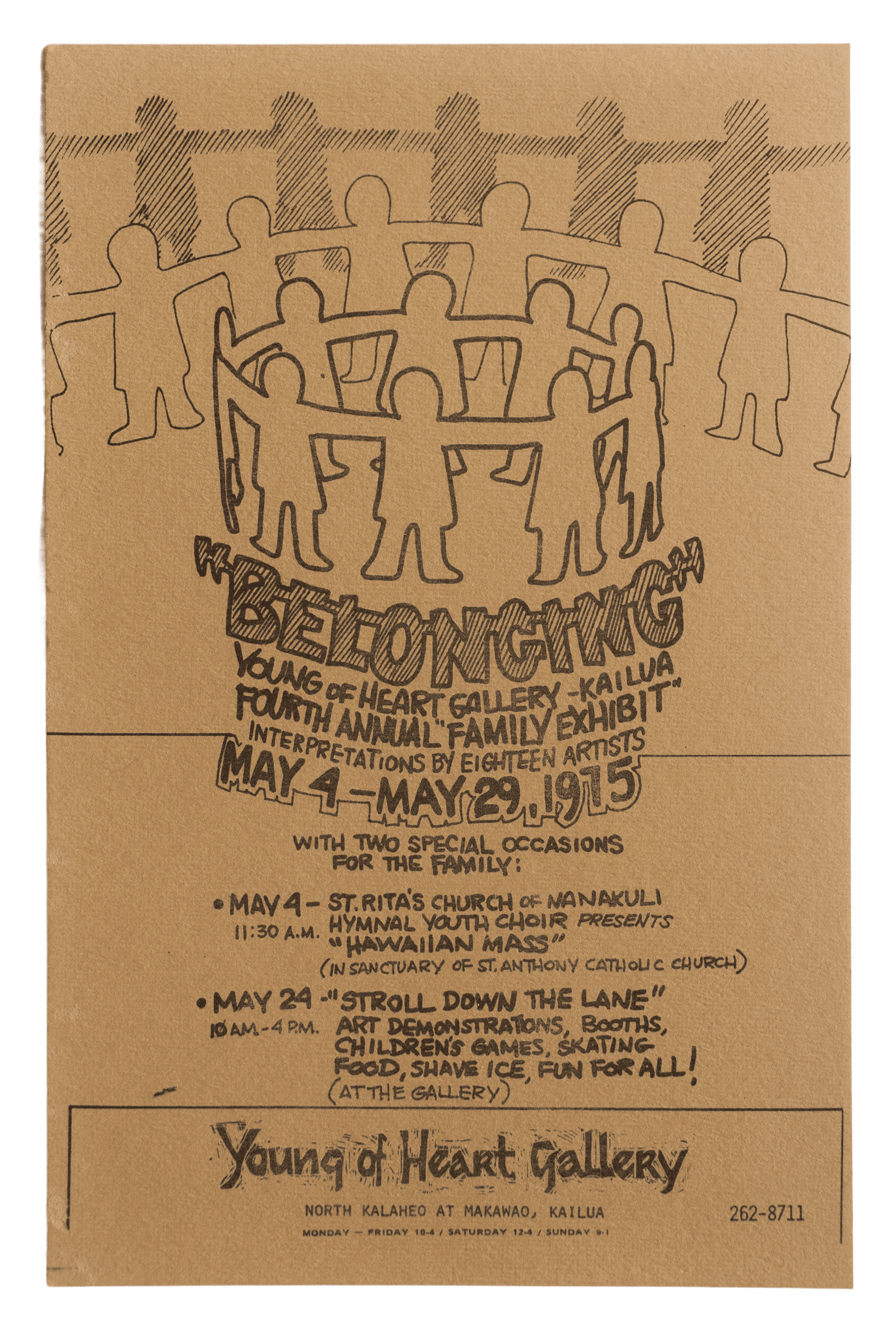
Across the 1970s, before eventually closing its physical location in Kailua, the Young of Heart exhibited works by Native Hawaiian, local, and international artists including: Allen Akina, Ann Kai Binney, Mary Bonic, Helene Cailliet, Jean Carlot, Martin Charlot, Meyer Cummings, Russell Davidson, Dennis Dwyer, Juliette May Fraser, Sue Hansen, Hon Chew Hee, Meg Homestead, Pegge Hopper, Claude Horan, Leialoha Kanahele Iverson, Herb Kane, Barbara Khurana, Ron Kowalke, Maude Panganiban, Ellen Schroeder, Herb Siipola, Edward Stasack, Balazs Szabo, Adele Sommerfeld, Jerry Vasconcellos, Chuck Welborn, and John Chin Young to name a few. In the years that followed the organization continued to support, inspire, and empower young people of Oʻahu through art and creativity despite the absence of a physical location.
Across the 1970s, before eventually closing its physical location in Kailua, the Young of Heart exhibited works by Native Hawaiian, local, and international artists including: Allen Akina, Ann Kai Binney, Mary Bonic, Helene Cailliet, Jean Carlot, Martin Charlot, Meyer Cummings, Russell Davidson, Dennis Dwyer, Juliette May Fraser, Sue Hansen, Hon Chew Hee, Meg Homestead, Pegge Hopper, Claude Horan, Leialoha Kanahele Iverson, Herb Kane, Barbara Khurana, Ron Kowalke, Maude Panganiban, Ellen Schroeder, Herb Siipola, Edward Stasack, Balazs Szabo, Adele Sommerfeld, Jerry Vasconcellos, Chuck Welborn, and John Chin Young to name a few. In the years that followed the organization continued to support, inspire, and empower young people of Oʻahu through art and creativity despite the absence of a physical location.
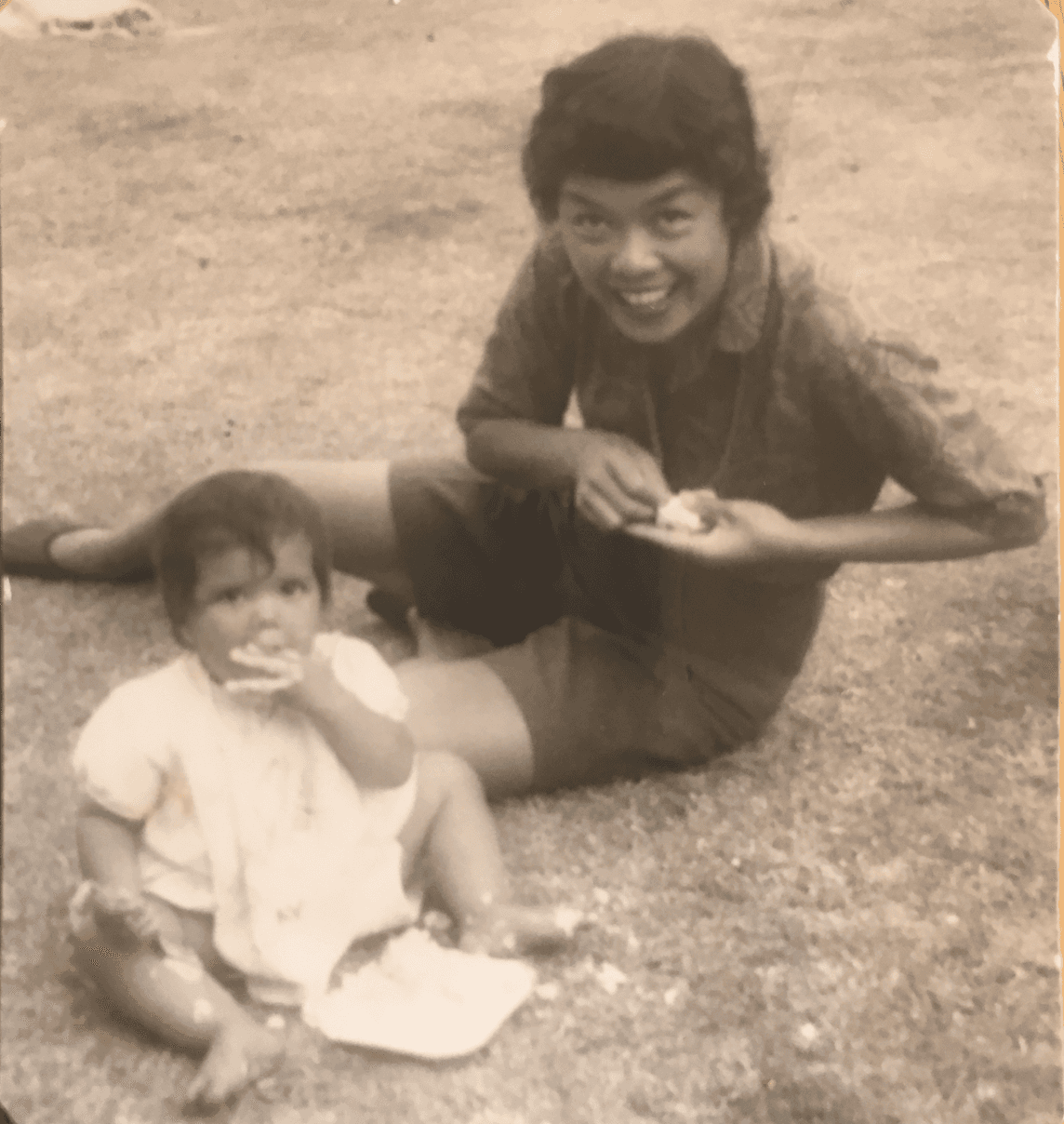
In 1996, Emma’s third daughter, Maile Meyer, became the organization’s second Executive Director.
In 1996, Emma’s third daughter, Maile Meyer, became the organization’s second Executive Director.
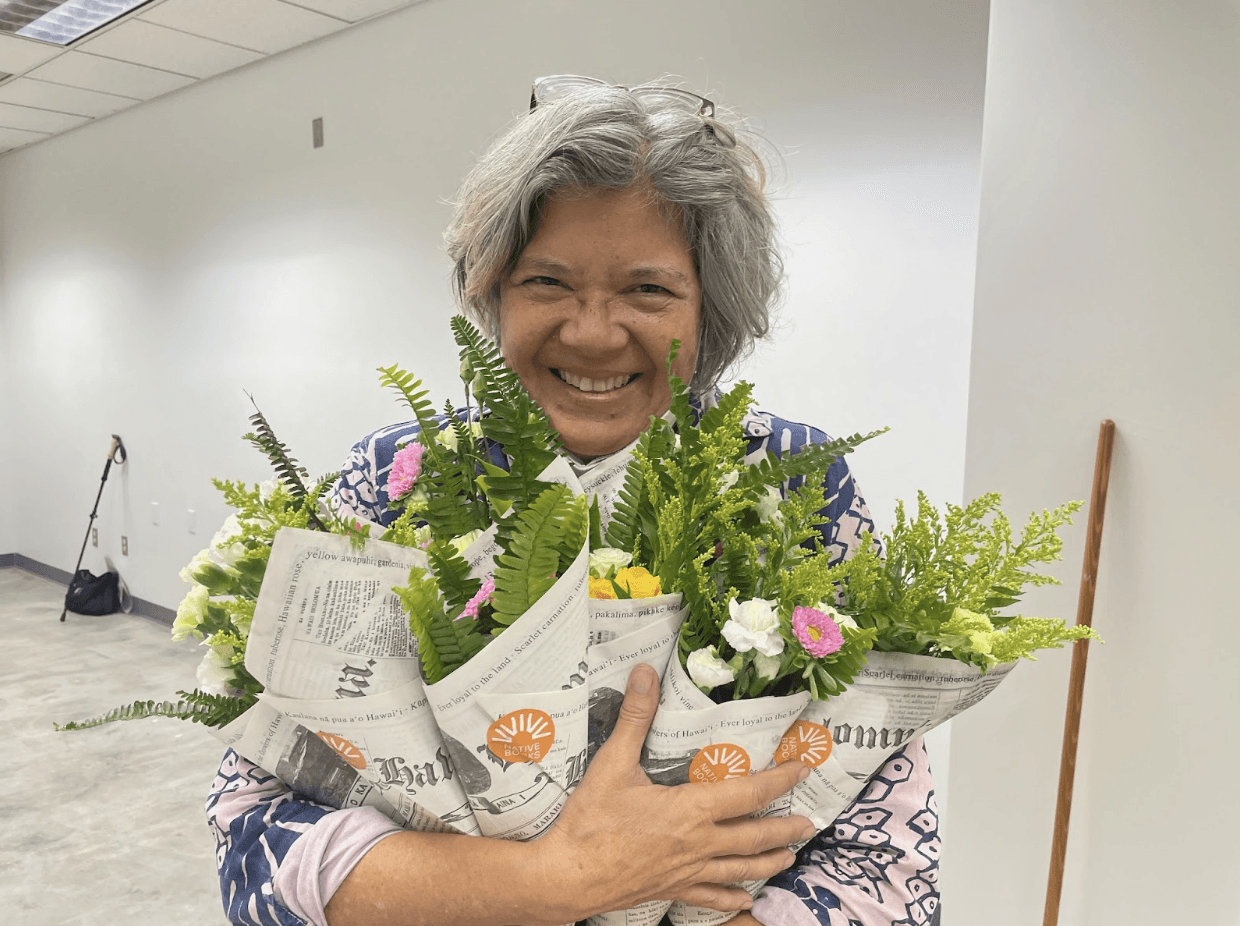
And after a period of dormancy, in 2004 Maile reconceived the Young of Heart as Puʻuhonua Society. Puʻuhonua translates to “place of refuge, sanctuary, asylum, peace and safety.” The name change fulfilled two purposes. First, it honored Emma’s father Noa Webster Aluli—a Native Hawaiian attorney and advocate—who in 1914 helped co-found ‘Ahahui Pu‘uhonua O Nā Hawai‘i, a political group led by Prince Jonah Kūhiō Kalaniana‘ole that uplifted Native Hawaiians by reestablishing relationships to ‘āina, to the land and all that sustains, following the illegal occupation and annexation of the Hawaiian Kingdom by the United States of America. Second, it better reflected the organization’s renewed mission as a safe haven for artists, culture bearers, and creative communities of Hawaiʻi.
And after a period of dormancy, in 2004 Maile reconceived the Young of Heart as Puʻuhonua Society. Puʻuhonua translates to “place of refuge, sanctuary, asylum, peace and safety.” The name change fulfilled two purposes. First, it honored Emma’s father Noa Webster Aluli—a Native Hawaiian attorney and advocate—who in 1914 helped co-found ‘Ahahui Pu‘uhonua O Nā Hawai‘i, a political group led by Prince Jonah Kūhiō Kalaniana‘ole that uplifted Native Hawaiians by reestablishing relationships to ‘āina, to the land and all that sustains, following the illegal occupation and annexation of the Hawaiian Kingdom by the United States of America. Second, it better reflected the organization’s renewed mission as a safe haven for artists, culture bearers, and creative communities of Hawaiʻi.
And after a period of dormancy, in 2004 Maile reconceived the Young of Heart as Puʻuhonua Society. Puʻuhonua translates to “place of refuge, sanctuary, asylum, peace and safety.” The name change fulfilled two purposes. First, it honored Emma’s father Noa Webster Aluli—a Native Hawaiian attorney and advocate—who in 1914 helped co-found ‘Ahahui Pu‘uhonua O Nā Hawai‘i, a political group led by Prince Jonah Kūhiō Kalaniana‘ole that uplifted Native Hawaiians by reestablishing relationships to ‘āina, to the land and all that sustains, following the illegal occupation and annexation of the Hawaiian Kingdom by the United States of America. Second, it better reflected the organization’s renewed mission as a safe haven for artists, culture bearers, and creative communities of Hawaiʻi.
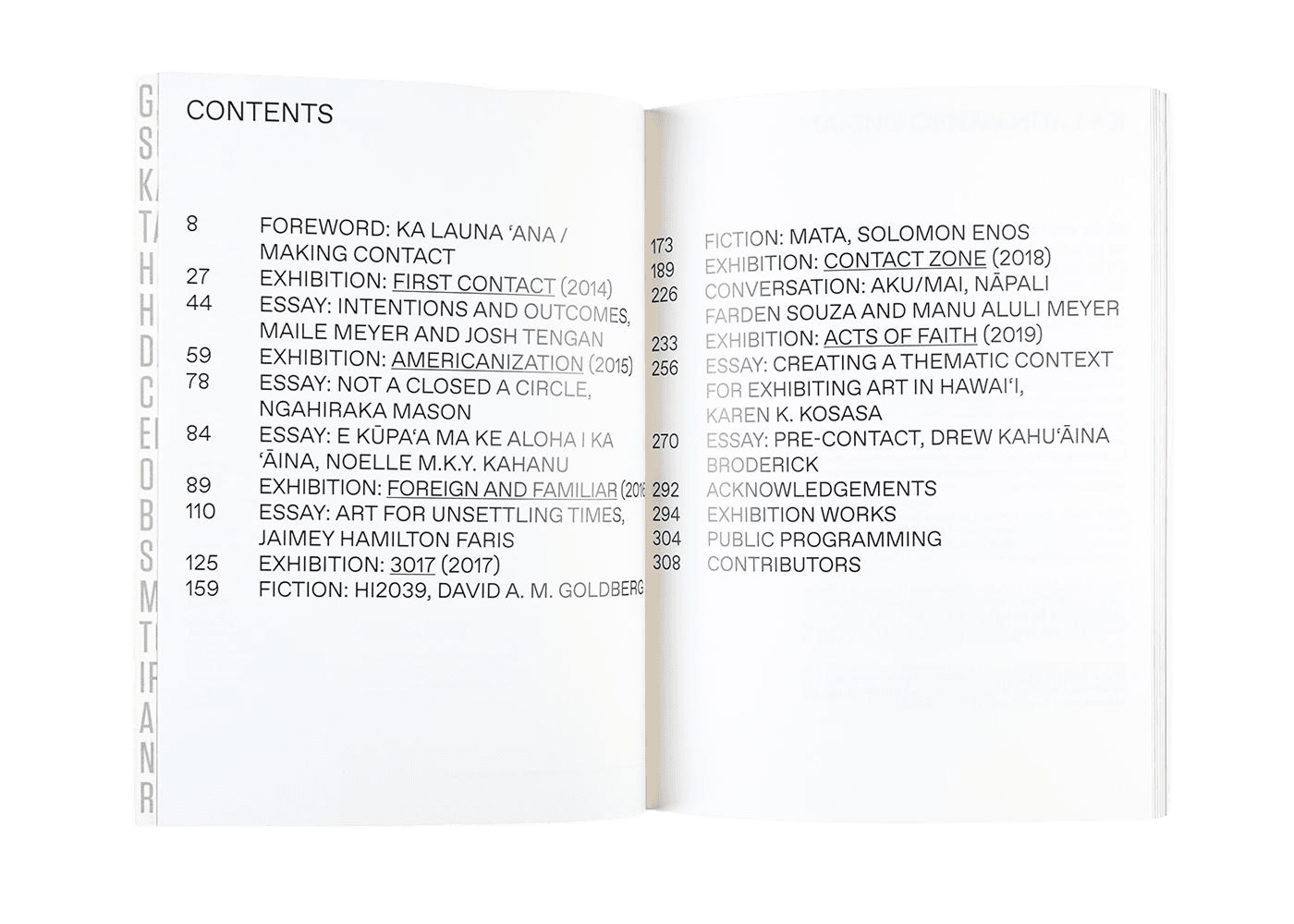
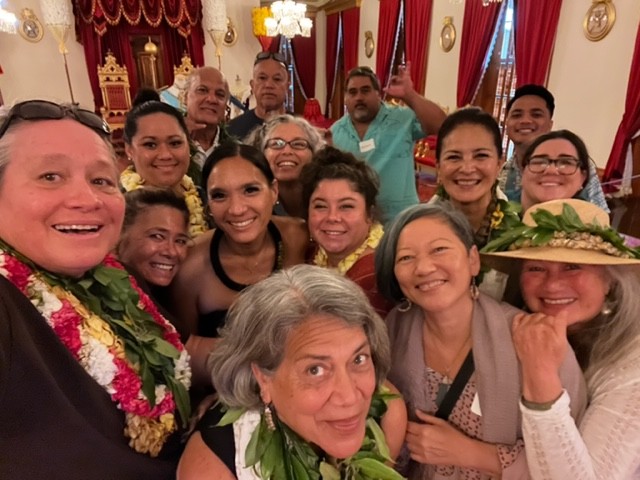
For over 25 years Maile envisioned and worked collaboratively with a range of stakeholders to nurture thriving creative environments. From 2014 to 2019, Puʻuhonua Society conceptualized, organized and presented CONTACT, an annual open call thematic exhibition of contemporary art of Hawaiʻi exploring the notion of “contact” as it relates to the islands, its peoples, and their experiences. In 2017, responding to community need, the Society reactivated Aupuni, a contemporary art gallery, artist studios and community venue that first functioned as live/work/exhibition space for experimental artists starting in 2013 and continues today alongside other community driven programs and projects. In 2022, the organization launched The Gathering Project, reactivating ʻIolani Palace as a gathering place for community discourse, exchange and connection around important issues in Hawaiʻi—past, present, and future.
For over 25 years Maile envisioned and worked collaboratively with a range of stakeholders to nurture thriving creative environments. From 2014 to 2019, Puʻuhonua Society conceptualized, organized and presented CONTACT, an annual open call thematic exhibition of contemporary art of Hawaiʻi exploring the notion of “contact” as it relates to the islands, its peoples, and their experiences. In 2017, responding to community need, the Society reactivated Aupuni, a contemporary art gallery, artist studios and community venue that first functioned as live/work/exhibition space for experimental artists starting in 2013 and continues today alongside other community driven programs and projects. In 2022, the organization launched The Gathering Project, reactivating ʻIolani Palace as a gathering place for community discourse, exchange and connection around important issues in Hawaiʻi—past, present, and future.

In September of 2022, Maile’s eldest daughter, Emma Manu-Broderick, stepped into the position of Executive Director, signaling a new phase for the organization.
In September of 2022, Maile’s eldest daughter, Emma Manu-Broderick, stepped into the position of Executive Director, signaling a new phase for the organization.
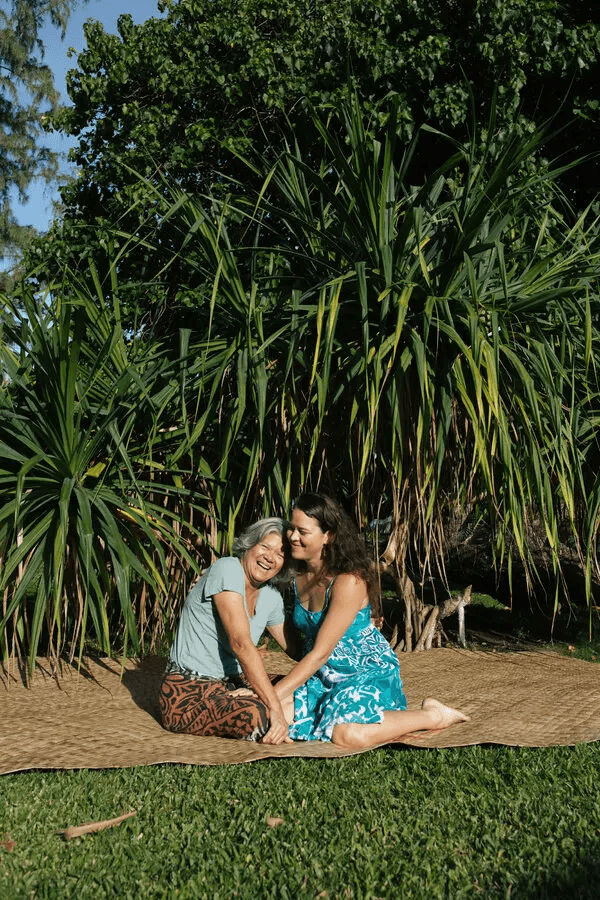
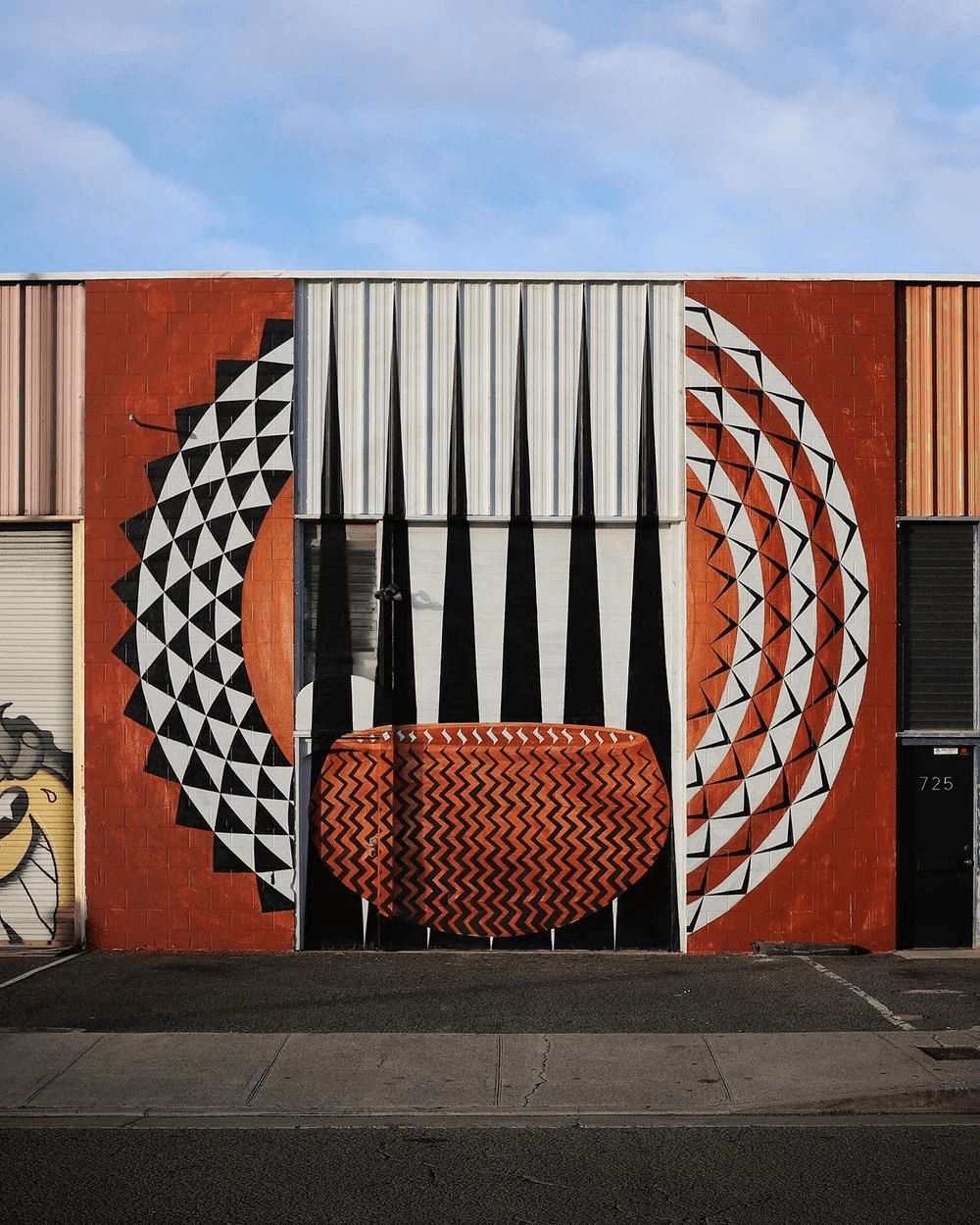
As of August, 2025, Puʻuhonua Society’s primary programs include: Aupuni Space, an artist-run gallery, venue, and studios; Hoʻākea Source, a Regional Regranting Program Partner of The Andy Warhol Foundation for the Visual Arts; Hoʻomau Nā Maka o ka ʻĀina, a cataloging and public programming partnership aimed at preserving and making accessible Nā Maka o ka ‘Āina’s vital moving-image archive of over 6,000 tapes; KEANAHALA, an inclusive and collaborative weaving initiative that perpetuates the Native Hawaiian practice of ulana lauhala, pandanus weaving; KĪPUKA, a makers’ space and educational environment offering a series of classes and workshops that are focused around the transmission of ancestral knowledge and material practices; The Muʻumuʻu Library, a community closet and gathering place for local women to perpetuate Hawaiian fashion; and NiU NOW!, a cultural agroforestry movement affirming the importance of niu and uluniu, coconut and coconut groves to the health and wellbeing of Hawaiʻi and its peoples.
As of August, 2025, Puʻuhonua Society’s primary programs include: Aupuni Space, an artist-run gallery, venue, and studios; Hoʻākea Source, a Regional Regranting Program Partner of The Andy Warhol Foundation for the Visual Arts; Hoʻomau Nā Maka o ka ʻĀina, a cataloging and public programming partnership aimed at preserving and making accessible Nā Maka o ka ‘Āina’s vital moving-image archive of over 6,000 tapes; KEANAHALA, an inclusive and collaborative weaving initiative that perpetuates the Native Hawaiian practice of ulana lauhala, pandanus weaving; KĪPUKA, a makers’ space and educational environment offering a series of classes and workshops that are focused around the transmission of ancestral knowledge and material practices; The Muʻumuʻu Library, a community closet and gathering place for local women to perpetuate Hawaiian fashion; and NiU NOW!, a cultural agroforestry movement affirming the importance of niu and uluniu, coconut and coconut groves to the health and wellbeing of Hawaiʻi and its peoples.
Since 2015 Puʻuhonua Society has received generous support for its programs and projects from a variety of funders. The organization extends its gratitude to Native Books; Nā Mea Hawaiʻi; DAWSON; Hawaiʻi People’s Fund; Laila Twigg-Smith Art Fund, Cooke Family Foundation, Atherton Family Foundation, and the Robert Emens Black Fund through the Hawaiʻi Community Foundation; the Allan Gordon Sanford Fellowship, Life Comes From It, Constellations Culture Change Fund & Initiative of The Center for Cultural Power, the Tides Center, Ruth Foundation for the Arts, The Andy Warhol Foundation for the Visual Arts, the Robert Rauschenberg Foundation, the Horace W. Goldsmith Foundation, Maxwell/Hanrahan Foundation, Teiger Foundation, Native Arts + Cultures Foundation, Hawaiʻi Tourism Authority, Council for Native Hawaiian Advancement, the Hawaiʻi State Foundation on Culture and the Arts, the Institute of Museum and Library Services, and National Endowment for the Arts among others.
Since 2015 Puʻuhonua Society has received generous support for its programs and projects from a variety of funders. The organization extends its gratitude to Native Books; Nā Mea Hawaiʻi; DAWSON; Hawaiʻi People’s Fund; Laila Twigg-Smith Art Fund, Cooke Family Foundation, Atherton Family Foundation, and the Robert Emens Black Fund through the Hawaiʻi Community Foundation; the Allan Gordon Sanford Fellowship, Life Comes From It, Constellations Culture Change Fund & Initiative of The Center for Cultural Power, the Tides Center, Ruth Foundation for the Arts, The Andy Warhol Foundation for the Visual Arts, the Robert Rauschenberg Foundation, the Horace W. Goldsmith Foundation, Maxwell/Hanrahan Foundation, Teiger Foundation, Native Arts + Cultures Foundation, Hawaiʻi Tourism Authority, Council for Native Hawaiian Advancement, the Hawaiʻi State Foundation on Culture and the Arts, the Institute of Museum and Library Services, and National Endowment for the Arts among others.
History